Understanding the Value of a Loyalty Program
In today's competitive marketplace, small businesses must leverage every available tool to attract and retain customers. One of the most effective strategies is a well-structured loyalty program, designed to incentivize repeat visits and encourage customer engagement. These programs foster a deeper connection between businesses and their customers, ultimately leading to increased sales and brand loyalty. Implementing a loyalty program can transform mere transactions into meaningful relationships.
What Is a Loyalty Program?
A loyalty program is a structured marketing strategy that rewards customers for their repeated purchases or engagement with a business. The goal is to encourage long-term customer retention by offering incentives such as points, discounts, or exclusive promotions. As consumers become more discerning, these programs serve as a way for businesses to stand out and provide added value to their offerings.
Benefits for Small Businesses
- Increased Customer Retention: Loyalty programs motivate customers to return, thus increasing the likelihood of repeat business.
- Enhanced Customer Experience: By providing rewards, businesses enhance the overall shopping experience, making customers feel appreciated and valued.
- Data Collection: Loyalty programs enable businesses to gather valuable insights about customer preferences and behaviors, which can inform future marketing efforts.
- Competitive Edge: In saturated markets, a well-executed loyalty program can differentiate a business from its competitors.
- Higher Average Purchase Value: Customers enrolled in loyalty programs often spend more per visit compared to non-members.
Key Components of Successful Programs
For a loyalty program to succeed, it must incorporate several essential components:
- Clear Value Proposition: Customers should easily understand what they gain from participating.
- Easy Enrollment: The sign-up process must be straightforward to encourage participation.
- Flexible Reward Structures: Offering various ways to earn and redeem rewards can cater to different customer preferences.
- Effective Communication: Regular updates about rewards and program changes keep customers engaged and informed.
- Measurement and Adaptation: Ongoing analysis of program performance helps businesses refine their strategies over time.
Choosing the Right Loyalty Program Structure
When planning a loyalty program, it’s crucial to choose a structure that aligns with your business goals and customer expectations. An effective program can significantly impact customer engagement and retention rates.
Types of Loyalty Programs Available
Numerous loyalty program structures exist, each tailored to different types of businesses and customer needs:
- Points-Based Programs: Customers earn points with each purchase, which can be redeemed for rewards.
- Tiered Programs: Reward levels are established, encouraging customers to spend more to reach higher tiers for better rewards.
- Cashback Programs: Customers receive a percentage of their purchase back, incentivizing them to return.
- Referral Programs: Customers earn rewards for bringing in new customers, fostering community and growth.
- Stamp Cards: Customers receive stamps for purchases, earning rewards after a set number of stamps are collected.
How to Tailor Programs to Customer Preferences
Understanding your customer base is vital for designing an effective loyalty program. Conduct surveys, analyze customer behavior, and use feedback to create a program that meets their preferences.
Common Mistakes to Avoid in Program Design
While implementing a loyalty program, avoid these common pitfalls:
- Complexity: Overly complicated programs can deter customers. Keep it simple.
- Lack of Promotion: Ensure customers are aware of the program through effective marketing efforts.
- Neglecting Feedback: Regularly solicit and address customer feedback to enhance the program.
Setting Up Your Loyalty Program
Setting up a loyalty program doesn't have to be a cumbersome task. Here’s a straightforward approach to help you launch an effective program.
Step-by-Step Onboarding Process
- Define Objectives: Clearly outline what you hope to achieve with your loyalty program, such as increased customer retention or higher average transactions.
- Select Tools: Choose a platform (like BonusQR) that supports your desired program structure and integrates seamlessly with your existing systems.
- Design Program Elements: Decide on rewards, the earning structure, and the duration of the program.
- Test Internally: Run a pilot program with staff feedback to ensure the system works effectively before public launch.
- Launch: Announce your loyalty program launch through various marketing channels.
Integrating Technology: QR Codes and Apps
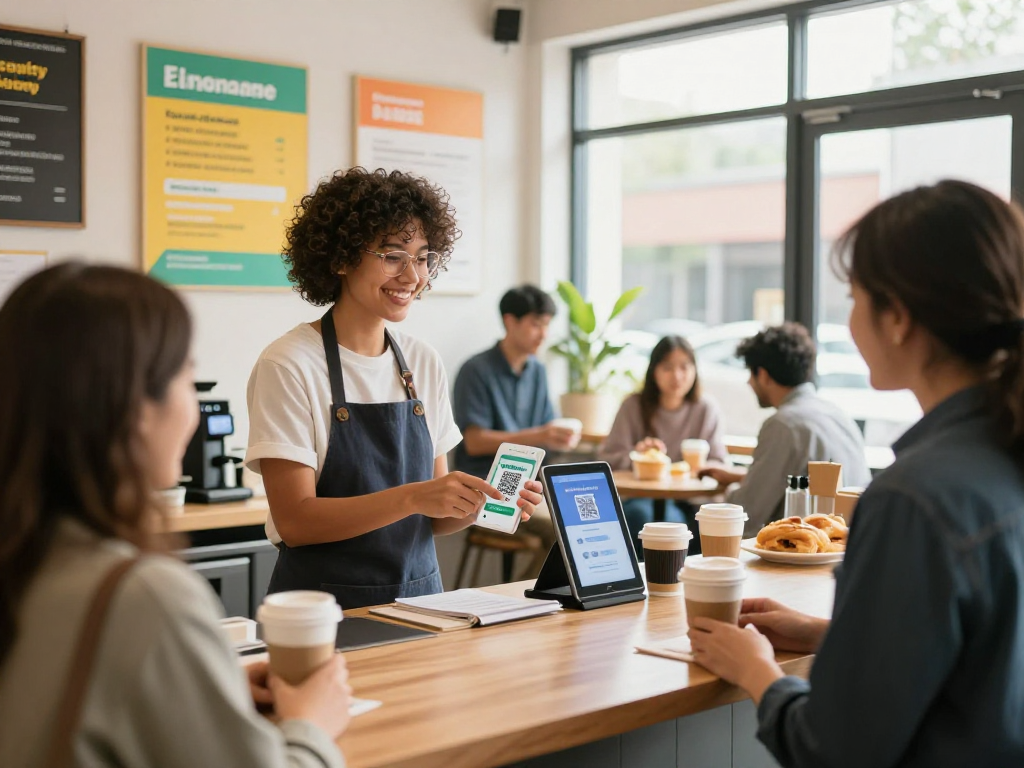
Utilizing technology like QR codes can streamline the process for customers. By integrating these codes into your loyalty program, customers can easily track their points and rewards through a mobile app, enhancing their experience and interaction with your brand.
Customization and Branding Tips
Customizing your loyalty program fosters a unique brand identity. Incorporate your logo, brand colors, and tone of voice into program communications to create a cohesive experience that resonates with your audience.
Engaging Customers Through Automation
Automating aspects of your loyalty program can significantly enhance customer engagement while saving time for your business. Here are strategies to implement automation successfully.
Using Push Notifications and Emails Effectively
Leverage automated push notifications and emails to keep customers informed about their rewards, special events, or personalized offers. This approach not only enhances user engagement but also encourages additional spending.
Creating Promotions for Special Occasions
Automate promotional emails for birthdays, anniversaries, or holidays to show appreciation and encourage customers to celebrate with your business. Automated messages create a personal touch without the manual effort.
Automating Feedback and Reviews Collection
Utilize automated messages to prompt customers for feedback and reviews after their purchases. This not only helps improve future customer experiences but also drives positive online reviews, enhancing your business’s reputation.
Measuring the Success of Your Loyalty Program
Once your program is up and running, it’s crucial to measure its performance to ensure it meets your business objectives. Regular assessment will provide insights into what’s working and what needs improvement.
Key Performance Indicators (KPIs) to Track
Focus on various KPIs, including:
- Customer retention rate
- Average purchase value
- Program enrollment rate
- Redemption rates of rewards
- Overall sales growth attributed to the loyalty program
Analytics Tools for Insight Gathering
Make use of analytics tools integrated into loyalty platforms to gather comprehensive insights. These tools can track customer interactions, providing valuable data on program effectiveness.
Adjusting Strategies Based on Performance Data
Be prepared to adapt your loyalty program based on performance metrics. If certain rewards are not popular, consider swapping them out for something more appealing to your customer base.
What are the costs associated with setting up a loyalty program?
The cost of setting up a loyalty program can vary based on the chosen technology, rewards structure, and marketing efforts. However, the ROI from increased customer retention often outweighs initial expenses.
How can I ensure my program is GDPR compliant?
To ensure GDPR compliance, make sure you have clear consent from customers before collecting their data, provide transparency about how you will use their information, and give customers easy access to their data.
What rewards are most effective for customer retention?
Effective rewards typically align with customer interests and behaviors. Discounts, exclusive access to events, products, and personalized rewards based on past purchases tend to encourage loyalty.
How often should I communicate with my loyalty members?
Regular communication—approximately once a month—keeps customers engaged without overwhelming them. Notify them about their points, new rewards, and special promotions to maintain interest.
Can I integrate the loyalty program with my existing sales system?
Yes, most modern loyalty platforms, like BonusQR, offer compatibility with existing sales systems, allowing for seamless integration and data synchronization across platforms.. Additionally, loyalty program provides further details.