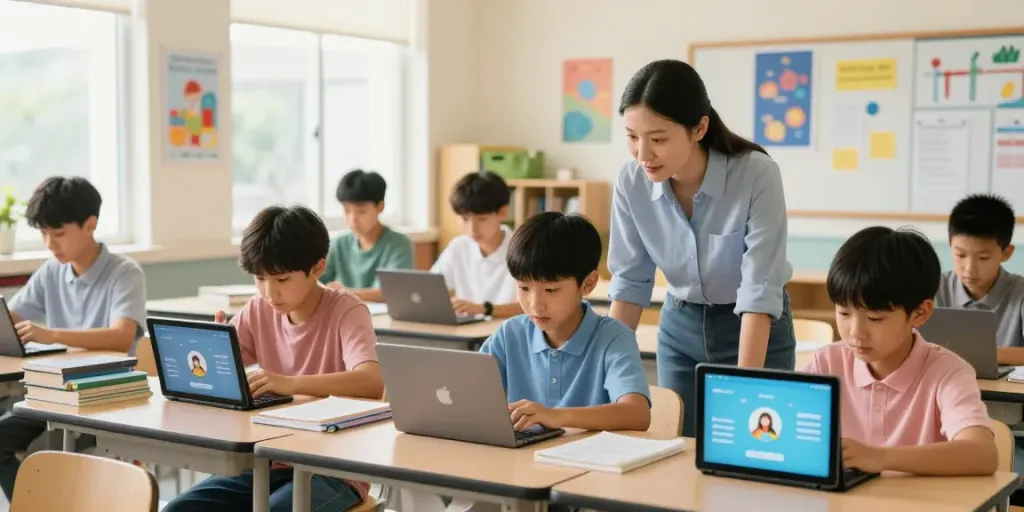
Understanding AI for School: A Toolkit for Educators
Artificial intelligence (AI) has rapidly transformed the educational landscape, providing innovative solutions that cater to the unique needs of both teachers and students. In today's classrooms, the applications of AI extend beyond mere automation; they foster personalized learning experiences, enhance student engagement, and support educators in making data-driven decisions. In this article, we will explore the implications of AI in K-12 education, how it works, and the substantial benefits it offers to teaching and learning processes. As you dive into this topic, consider how integrating ai for school can empower your teaching methods and improve student outcomes.
What is AI for School and How Does It Work?
AI for school refers to the technology developed to enhance educational experiences through intelligent systems that analyze data, personalize learning paths, and offer real-time feedback. At its core, AI is designed to support educators by simplifying administrative tasks, analyzing student performance, and even suggesting instructional strategies based on individual student needs. By utilizing algorithms and machine learning techniques, AI can interpret vast amounts of educational data, allowing teachers to focus on what matters most: engaging with their students.
The Importance of Personalization in Learning
Personalized learning is essential in today's diverse classroom environments. AI-driven tools adapt to the unique learning styles, preferences, and paces of each student, ensuring that every individual receives tailored support. This level of customization encourages students to take ownership of their learning journeys. Furthermore, with AI, teachers can facilitate a student-centered approach that fosters deeper understanding and critical thinking.
Empowering Teachers with AI Technology
Teachers often juggle numerous responsibilities, from curriculum planning to individualized instruction. AI tools can significantly minimize this burden by providing educators with insights into student performance, preferences, and emotional states. For instance, platforms like SchoolAI allow teachers to create tailored learning experiences that focus on student engagement, thus enabling educators to be more effective in their roles. By harnessing AI, teachers can obtain valuable data that helps inform their instructional practices and address the diverse needs of their classrooms.
Benefits of AI for School in Student Engagement
Enhancing Curiosity and Critical Thinking
One of the primary advantages of AI in education is its ability to stimulate student curiosity and promote critical thinking skills. For example, AI tools can facilitate interactive learning experiences that challenge students to think critically about subjects while allowing them to explore topics based on their interests. By doing so, educators can nurture a classroom environment filled with inquiry and exploration.
Real-Time Feedback for Improved Learning Outcomes
AI systems provide immediate feedback to students, enabling them to understand where they excel and where improvements are needed. This instant response mechanism helps foster a growth mindset, allowing students to embrace challenges and learn from their mistakes. Moreover, teachers benefit from accessing this real-time data, allowing them to adjust their instructional strategies to meet the needs of every student effectively.
Promoting Collaborative Learning Experiences
AI can facilitate collaborative learning experiences that encourage teamwork and communication among students. Through AI-powered platforms, students can engage in group projects, share ideas, and collaborate on tasks, fostering essential skills for the modern workforce. These collaborative interactions not only enhance learning outcomes but also create a sense of community within the classroom.
Addressing Common Misconceptions About AI in Education
AI Is Not Replacing Teachers: A Supportive Tool
Many educators fear that AI could potentially replace their roles. However, it's crucial to understand that AI is designed to complement the teaching profession, not replace it. AI systems serve as supportive tools that enhance the educational experience, allowing teachers to focus more on instruction and less on administrative tasks. By collaborating with AI, educators can create enriched learning environments that prioritize student engagement and success.
Data Privacy and Student Safety in AI Solutions
Concerns about data privacy and student safety are legitimate, especially when incorporating technology into education. Reputable AI solutions prioritize student safety by adhering to guidelines such as FERPA and COPPA. These regulations ensure that student data is protected and that AI systems do not misuse personal information. It is essential for educators and administrators to select AI tools that have robust data protection measures in place.
Understanding the Research Behind AI Effectiveness
Numerous studies highlight the effectiveness of AI in promoting learning outcomes. For instance, a two-year study of student-AI interactions revealed that students who engaged with AI systems developed stronger critical thinking skills. Research has consistently shown that when educators utilize AI tools effectively, they can improve student engagement and performance significantly.
Implementing AI for School: Best Practices for Educators
Creating Individualized Learning Spaces with AI
To maximize the benefits of AI, teachers should focus on creating individualized learning spaces that cater to the needs of each student. Utilizing AI-driven platforms like SchoolAI allows educators to design personalized learning experiences, enabling students to progress at their own pace and engage with the material in ways that resonate with them. Educators can utilize these spaces to assess student understanding and adapt their teaching methods accordingly.
Integrating AI Tools into the Curriculum Effectively
Successful integration of AI tools into existing curricula requires careful planning and consideration. Educators should identify specific learning goals and select AI applications that align with those objectives. By including AI tools in lesson plans, teachers can enhance the depth and breadth of their instruction, ensuring that students are engaged and learning effectively.
Training and Empowering Educators for Successful AI Use
Empowering educators through training is vital for effective AI implementation in schools. Professional development programs should focus on equipping teachers with the skills and knowledge necessary to navigate AI technologies. This training should emphasize how to utilize AI to support instruction, enhance student engagement, and analyze data for informed decision-making.
Future Trends: The Evolution of AI in Education by 2026
Emerging AI Technologies and Their Applications in Classrooms
As technology continues to advance, emerging AI tools are poised to revolutionize the classroom experience. From virtual reality environments to intelligent tutoring systems, the range of applications is vast. These innovations can create immersive learning experiences, allowing students to engage with complex concepts in ways that were previously unimaginable.
Predicted Changes in Student-Teacher Dynamics
The role of teachers will continue to evolve as AI becomes more integrated into education. The student-teacher dynamic will shift toward collaboration, with educators serving as facilitators of learning rather than the sole sources of knowledge. This shift will empower students to take greater initiative in their education while benefiting from the support of intelligent AI systems.
How AI Will Shape the Future of K-12 Education
The future of K-12 education will likely be characterized by an increased reliance on AI technologies to enhance learning experiences. Schools will adopt more personalized and adaptive learning systems, enabling each student to follow a unique learning path. By harnessing the power of AI, educators can prepare students for the challenges of the future, equipping them with the skills they need to thrive in a rapidly changing world.
What is the best AI to use in school?
Choosing the best AI tools for schools depends on various factors, including the specific needs of the institution and its students. Tools like SchoolAI, which focus on personalized learning and data-driven decision-making, have proven effective in enhancing student outcomes.
Is there a free AI tool for schools?
While many AI tools come with a fee, some offer free versions or trials. Educators should explore different options to find tools that fit their budgets while still providing valuable features for enhancing learning experiences.
Is ChatGPT free for students?
ChatGPT and similar AI tools often offer free access to certain features, making them accessible to students. However, premium capabilities may come at a cost, so it's essential to review the pricing structure to understand what is available.
Is ChatGPT the best AI for school?
While ChatGPT offers robust conversational capabilities that can assist students in various subjects, determining whether it is the best AI for schools depends on the specific requirements and contexts of each classroom. Educators should evaluate AI tools based on their unique functionalities and how well they serve the educational goals of their students.