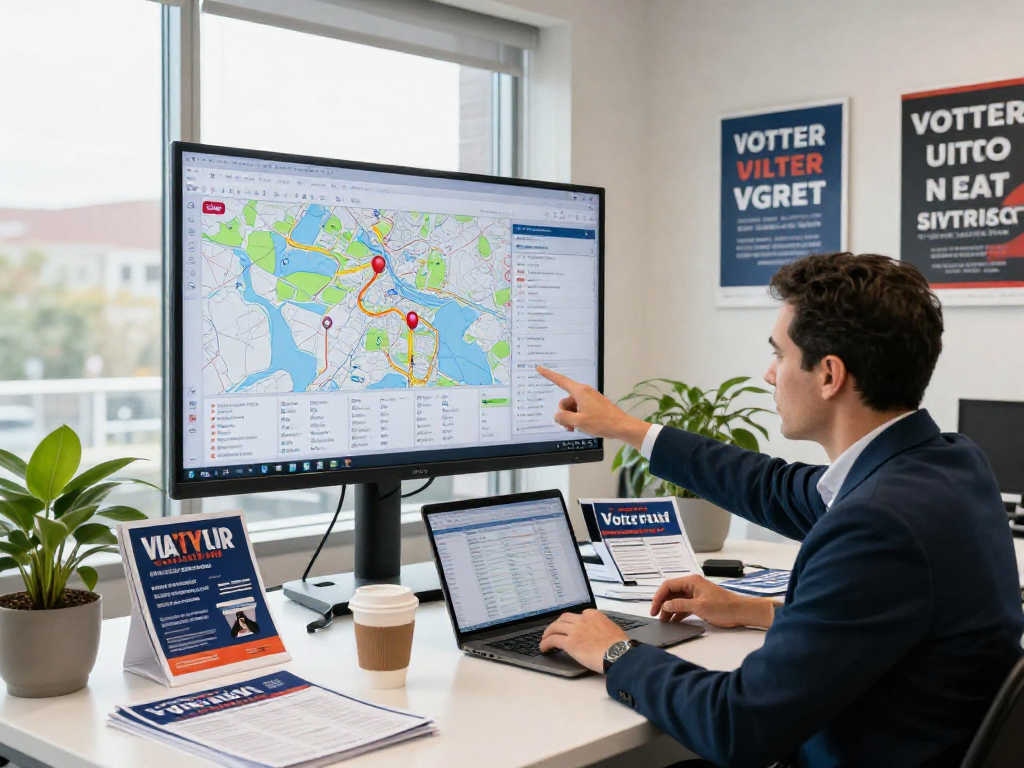
Understanding Voter File Targeting CTV
In today's fast-paced political landscape, successful campaigns hinge on leveraging detailed voter data effectively. One of the most powerful tools at your disposal is voter file targeting CTV, which allows candidates to efficiently reach their target demographics. With an arsenal of comprehensive voter information, campaigns can tailor their messaging more precisely than ever, ensuring every dollar spent has maximum impact. This article delves into the principles of voter file targeting, its importance in modern political campaigns, and actionable strategies you can implement to win your district in the upcoming elections.
What is Voter File Targeting CTV?
Voter file targeting CTV (Connected TV) refers to the precise targeting of advertisements based on data derived from comprehensive voter files. These files include a wealth of information about registered voters, such as their demographics, voting history, and preferences. By integrating this data into connected TV advertising platforms, campaigns can deliver highly relevant commercials to specific voter segments, maximizing engagement and conversion rates.
The Importance of Data in Campaigns
Data serves as the backbone of any successful political campaign. It provides insights into who your voters are, what issues resonate with them, and how to reach them effectively. Utilizing detailed voter file data allows campaigns to segment voters and craft tailored messaging that speaks directly to their concerns. Moreover, data-driven strategies lead to more efficient resource allocation, reducing wasteful spending on ineffective ad placements.
Overview of CTV Platforms and Opportunities
With the rise of streaming services, connected TV has become an ever-growing medium for political advertising. Platforms like Hulu, Roku, and Apple TV allow campaigns to reach voters where they are spending their viewing time. By harnessing the power of CTV platforms, campaigns can tap into a younger demographic that may be less receptive to traditional advertising methods, thus expanding their reach and boosting voter engagement.
Setting Up Your Campaign with Voter Files
Choosing the Right Voter File for Your District
When initiating a campaign, the first step is to obtain the most appropriate voter file tailored to your district. Each campaign varies in its target audience and messaging requirements, which is why having an updated and comprehensive voter file is essential. Proper segmentation can be determined based on various criteria, including previous voting behavior, geographic location, and demographic information, ensuring that your campaign materials resonate with the intended audience.
Pricing and Transparency in Voter Data
Understanding the pricing structure for voter data is crucial for campaign budgeting. With options starting as low as $1,000 for a full district file, political entities can take advantage of transparent pricing models without hidden fees or retainers. This clarity allows campaigns to plan their expenditures more accurately and maximize the impact of their marketing strategies.
How to Use Data for Effective Messaging
Data should inform every aspect of your campaign's messaging. By analyzing voter preferences and priorities, campaigns can develop targeted communication strategies that address specific concerns. For instance, if your data reveals that healthcare is a key issue for your target demographic, you can emphasize your policies on health in your ads, speeches, and social media posts. This data-driven approach ensures that your messaging is not only relevant but also compelling enough to motivate voters to take action.
Optimizing Campaign Strategies with Targeted Data
Utilizing Multi-District Data for Broader Reach
For campaigns spanning multiple districts, leveraging multi-district data can enhance your outreach significantly. Custom data cuts allow campaigns to identify voters across various demographics and locations, creating tailored messages for diverse groups. This strategy not only broadens your impact but also enables you to measure the effectiveness of different messages in real-time, adjusting your approach as necessary.
Advanced Techniques in Voter Targeting
As technology evolves, so do the strategies for voter targeting. Innovative techniques such as predictive analytics can forecast voter behavior based on historical data, enabling campaigns to anticipate shifts in voter sentiment. Additionally, utilizing machine learning algorithms can enhance targeting accuracy, ensuring that your ads are viewed by the voters most likely to support your candidacy.
Measuring Campaign Success through Data Analytics
The effectiveness of a campaign cannot be assessed without thorough data analytics. By tracking key performance indicators such as ad engagement rates, voter turnout, and demographic responses to messages, campaigns can gauge success and make necessary adjustments. This data-centric approach allows for continuous improvement and optimization of strategies throughout the election cycle.
Best Practices in Political Marketing for 2026
Integrating Voter Data with Digital Marketing Strategies
As we move towards the 2026 elections, integrating voter data with digital marketing strategies will become increasingly vital. Political marketing has evolved past traditional methods, and utilizing digital platforms for outreach can create more impactful engagements. Strategies such as social media advertising, email campaigns, and digital storytelling can reach voters in innovative ways, fostering connections and building trust.
Email and Text Campaign Effectiveness
The effectiveness of email and text campaigns lies in their ability to reach voters directly. By employing robust voter data, campaigns can segment their audience and tailor messages accordingly. Timing is also crucial; sending messages during key times—such as just before an election or following a significant news event—can significantly influence recipient engagement and response rates.
Adapting to Changes in Voter Behavior
Voter behavior is not static; it evolves with societal changes and emerging issues. Campaigns must remain agile and responsive to these shifts by continually analyzing voter data and adjusting their strategies accordingly. Regular feedback loops and engagement metrics can help campaigns stay aligned with voter concerns and sentiments, ensuring their messages resonate and remain relevant.
Future Trends in Voter Data and Campaigning
Predictions for Voter Engagement in 2026
Looking ahead to 2026, voter engagement is expected to become more dynamic and multifaceted. As younger generations continue to rise as significant voting blocs, campaigns will need to adopt more interactive and engaging approaches to capture their attention. Increased use of mobile apps, gamified content, and interactive online experiences will play a crucial role in connecting with these voters.
Emerging Technologies in Political Campaigns
Emerging technologies such as artificial intelligence, augmented reality, and blockchain are set to transform political campaigns by improving efficiency and transparency. For instance, AI can analyze vast amounts of voter data to extract insights more quickly, while blockchain technology can ensure accurate and tamper-proof voter registration processes. Staying ahead of these technological trends will be key for successful campaigns.
How to Stay Ahead of the Competition
To maintain an edge over competitors, campaigns must foster a culture of innovation and adaptability. Regularly investing in training and development related to new technologies and marketing strategies will help teams remain agile. Additionally, cultivating a strong online presence and engaging with voters through various channels can enhance visibility and voter loyalty.
What are Voter File Requirements for Compliance?
Compliance with regulations governing voter files is critical to avoid legal pitfalls. Campaigns must ensure they are using voter data in accordance with federal and state laws, which often dictate how information can be accessed and utilized. Understanding these requirements is essential for maintaining a transparent and ethical campaign operation.
How Can I Ensure My Data is Accurate and Current?
Maintaining accurate and current voter data requires regular updates and verification processes. Utilizing services that offer real-time updates and access to verified data can greatly enhance the reliability of your voter files. Regular audits of your data can also help identify discrepancies or outdated information that may hinder your campaign.
What Strategies Can Maximize My Campaign’s Reach?
To maximize your campaign's reach, employing a multifaceted strategy that combines both traditional and digital outreach methods is essential. This should include targeted advertising, community engagement events, and leveraging social media platforms to foster dialogue and increase visibility. Utilizing comprehensive voter data to inform these strategies can lead to enhanced effectiveness and voter connection.
How is Voter Behavior Changing in Recent Elections?
Recent elections have shown a notable shift in voter behavior, with increased polarization and a growing emphasis on social issues. Voters are seeking candidates who reflect their values and demonstrate a genuine commitment to addressing their concerns. Campaigns that can effectively communicate their values while utilizing data-driven strategies to engage with voters will likely see greater success.
What Tools Are Essential for Effective Campaign Management?
Effective campaign management relies on a suite of tools designed for data analysis, communication, and engagement. Campaign management software, customer relationship management (CRM) systems, and analytics platforms are essential for tracking progress and measuring success. These tools enable campaigns to streamline operations while maintaining thorough oversight of their strategies and outcomes.