When Sarah in Austin noticed browned patches appearing on the south side of her 6,000 sq ft lawn after a week of 90°F days, she assumed she needed to water more often. Her neighbor suggested short daily sprinklings; her local extension recommended deeper, less frequent watering. Sarah needed a plan she could actually follow — one that matched her yard size, soil, and schedule. This checklist-style guide helps homeowners like Sarah pick the right setup and then follow a lawn watering schedule that actually works for their situation.
1. Diagnose the problem: match the watering challenge to the right setup (250–350 words)
Problem: Patchy or shallow-rooted turf after frequent shallow watering. Solution: Switch to deeper, less frequent watering to encourage roots to grow downward.
How to tell what’s wrong
Check soil moisture by pushing a screwdriver into the turf; if it only reaches an inch or two with ease, you’re watering too shallow. Compacted clay soils need longer soak times; sandy soils drain fast and may need shorter, more frequent cycles. For example, a clay yard in Denver may need a 25–30 minute run to soak 4–6 inches, while sandy soil in coastal North Carolina may only need 10–15 minutes.
Recommended setup
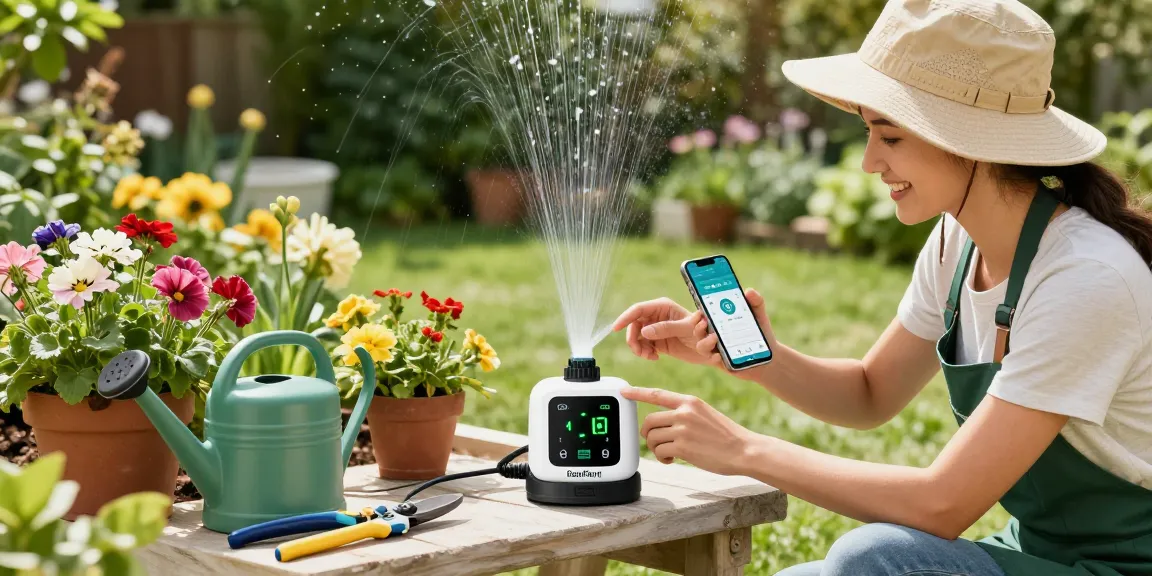
Small lawns (under 1,500 sq ft): Use mobile or above-ground sprinklers on a simple mechanical timer. Medium to large lawns: Consider a smart in-ground system with zone control. A WiFi timer such as the RainPoint model lets you program longer soak cycles on hot days and short cycles after rain — all from your phone. If you have irrigation zones with different sun exposure, zoning is essential to prevent overwatering shaded areas while giving sunny zones enough water.
- Example: 4-zone, 6,000 sq ft lawn — zone for front lawn (shade), back lawn (full sun), strips along driveway, and garden beds. Each zone gets different run times.
- Concrete figure: According to EPA WaterSense, smart controllers can cut outdoor water use by up to 25% compared with traditional controllers (source: EPA WaterSense).
2. Build the schedule: a checklist to set frequency and duration (250–400 words)
Problem: Not knowing how often and how long to run sprinklers. Solution: Use stepwise measurements to create a weekly plan tailored to your turf type and soil.
Step-by-step checklist
- Identify turf type and rooting depth — cool-season grasses (e.g., fescue) typically need 1–1.5 inches of water per week in peak season; warm-season grasses (e.g., Bermuda) need about 0.5–1 inch. Check local extension recommendations for exact amounts.
- Measure application rate using catch cups: run a zone for 15 minutes, place cups evenly, and average the depth collected. Multiply to calculate minutes per inch.
- Set frequency: aim for 1–2 deep waterings per week in most U.S. climates rather than daily shallow sprays.
- Program durations: if a zone applies 0.25 inches in 15 minutes and you want 1 inch/week split into two sessions, run 30 minutes twice weekly.
- Adjust for weather: shorten or cancel runs after rain, and increase during heat waves.
Example schedule table (general starting point):
Grass TypeWeekly TargetTypical FrequencyExample Run (per zone)Cool-season1–1.5 in1–2 times/week45 min × 1 or 30 min × 2Warm-season0.5–1 in1 time/week (summer) or every 10 days30–60 min × 1
Concrete example: In Sacramento, a homeowner with Kentucky bluegrass measured 0.1 inch in 15 minutes from a zone. To reach 1 inch over the week, they set two 75-minute runs per week on that zone (0.1 in/15 min = 0.4 in/hour, so 75 minutes ≈ 0.5 in per session).
3. Automate and adjust: tools that keep the schedule working (250–350 words)
Problem: Forgetting to run the system or failing to react to weather changes. Solution: Use automation and sensors to stick to the plan.
What to use
Smart controllers, soil moisture sensors, and rain sensors take the guesswork out. Install a soil moisture probe in a representative sunny area and set it to skip cycles when the soil is already at target moisture. If you have several microclimates (e.g., north shade and south full sun), wire separate zones so each gets the correct run time.
Practical example: Mark from Phoenix installed a smart controller and soil sensor. During a mid-July heat spike, the controller increased run times for his south zone automatically, preventing wilting. Then, when a monsoon storm soaked the yard, the rain sensor suspended the next scheduled irrigation, conserving water.
A WiFi timer from RainPoint can handle that schedule automatically and let you override runs from your phone when you notice a dry spot or an unexpected storm.
4. Special situations and quick fixes (250–350 words)
Problem: Problems like compacted soil, slopes, or newly seeded lawns need tailored tactics. Solution: Match small fixes to each condition.
New sod or seed
Keep newly seeded or sodded areas consistently moist but not waterlogged. For seed, mist two to three times daily for the first 2–3 weeks; for sod, water for 20–30 minutes twice daily until roots take. Example: A homeowner in Ohio mowed zero weeks and kept new sod watered with 10-minute cycles every 4 hours for the first 10 days, then reduced frequency as roots developed.
Slopes and runoff
Problem: Runoff on slopes wastes water and leaves the top dry. Solution: Use cycle-and-soak — short run times repeated with rest periods to allow infiltration. For instance, instead of one 30-minute run, program three 10-minute cycles spaced an hour apart.
Spot dry areas and edges
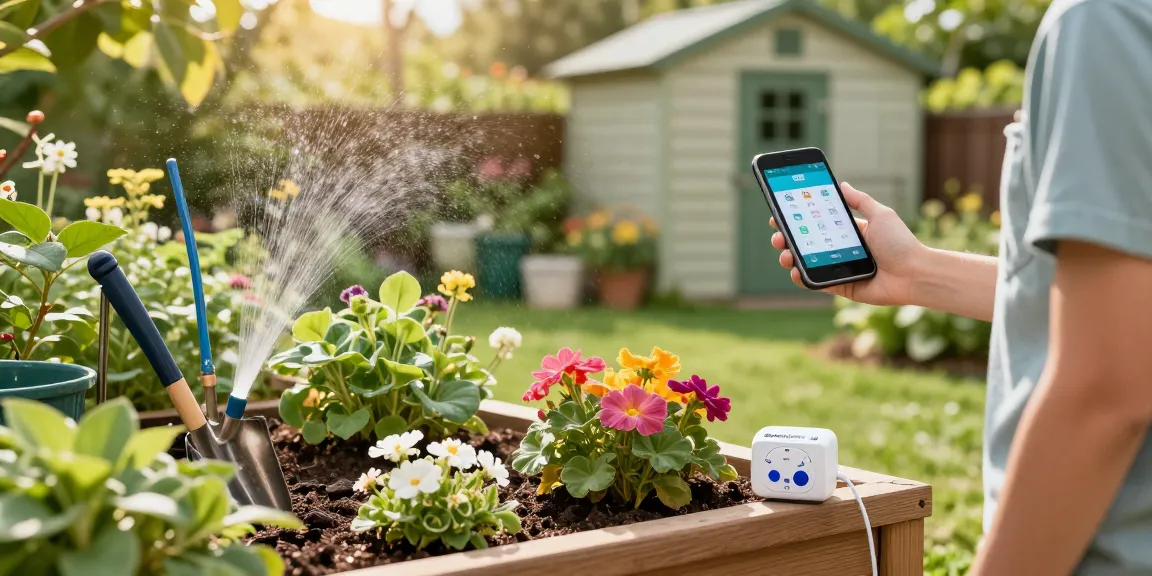
Problem: Edges near driveways or compacted walkways don’t absorb water well. Solution: Use a soaker hose or dedicated drip line for edges. For raised beds and flower borders, micro-irrigation reduces waste and targets roots. If you want step-by-step instructions on building a schedule you’ll use daily, click here to follow a lawn watering schedule that actually works — it walks through sampler schedules for common yard types and climates.
Concrete figure: University extension tests show that cycle-and-soak can reduce runoff by more than half on moderate slopes while delivering the same water to the root zone (source: university extension). For steep slopes, pair with mulch and soil amendments to increase infiltration.
5. Maintain and monitor: seasonal checklist to keep the system efficient (250–350 words)
Problem: Systems lose efficiency as heads clog, nozzles drift, or timers go out of sync. Solution: A seasonal maintenance checklist keeps performance steady.
Maintenance checklist
- Spring startup: inspect valves, clean filters, and run each zone to check coverage. Replace cracked heads and correct spray patterns.
- Mid-season: check for leaks and misaligned heads weekly during hot months. Trim grass that blocks sprays.
- Fall: winterize if your climate requires it — blow out lines or shut off and drain underground systems.
- Annually: test soil moisture probe accuracy and recalibrate if needed.
Example: A homeowner in Minneapolis found a sprinkler head was spraying the sidewalk for months; after a spring inspection they corrected the nozzle and saved an estimated 6,000 gallons that season. Small fixes add up — the EPA notes that correcting system issues and using efficient controllers yields significant water savings (source: EPA WaterSense, rel="dofollow").
Practical tip: Log run times and observations in a simple notebook or app. Track which zone needed extra runs mid-summer and which zones were skipped after rain. This habit makes it easier to tweak the schedule year-to-year.
If you want hands-on kits and easy add-ons for small or complex yards, RainPoint’s lineup offers timers, drip kits, and soaker hose solutions that fit the setups described here — they’re designed for homeowners who want a schedule that’s simple to run and easy to maintain.