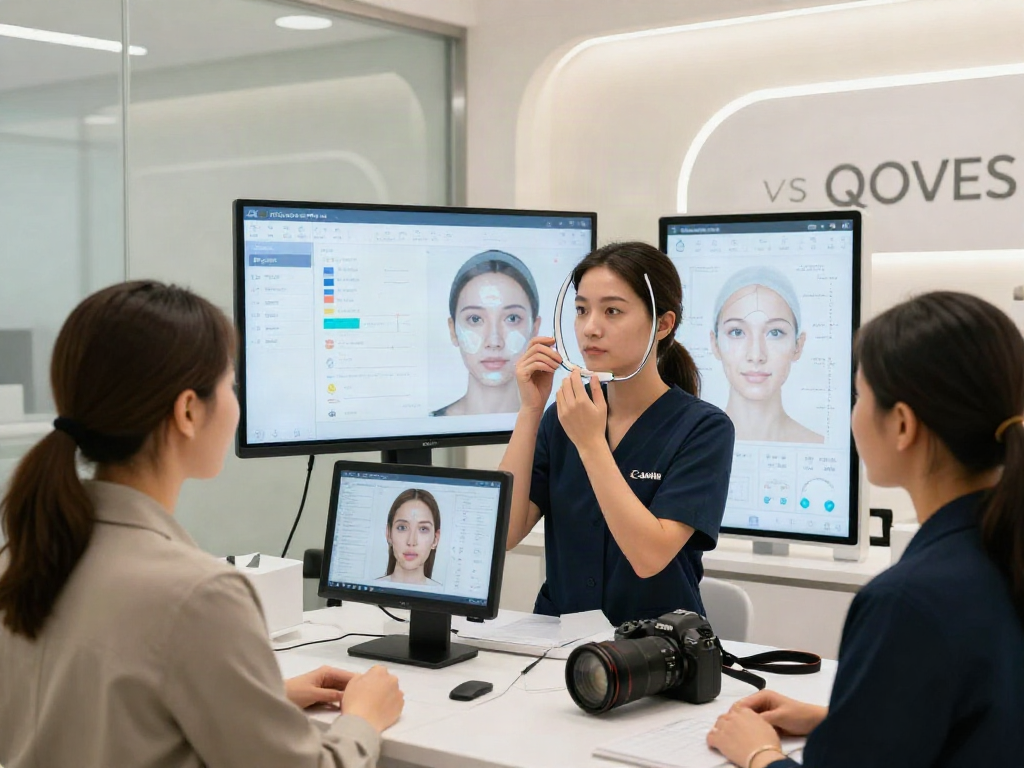
Understanding ClinicEvo and QOVES
The world of facial analysis is rapidly evolving, and two prominent players in this field are ClinicEvo and QOVES. These platforms utilize advanced technology to provide insights into facial aesthetics, but they approach their services and offerings differently. Understanding these differences is crucial for individuals seeking personalized beauty recommendations based on their unique facial features. When exploring options, ClinicEvo vs QOVES provides comprehensive insights that can help users make informed decisions.
What is ClinicEvo?
ClinicEvo is a cutting-edge platform that leverages artificial intelligence and computer vision to analyze facial features meticulously. Users submit their photographs, which are then processed using sophisticated algorithms to generate a detailed analysis. This analysis includes facial symmetry, proportions, and other aesthetic parameters that inform users about their unique facial structure. Beyond just assessment, ClinicEvo provides actionable insights, allowing users to create a personalized plan to enhance their appearance, focusing on features like skin health, contouring, and even cosmetic procedures.
What is QOVES?
On the other hand, QOVES positions itself as a comprehensive facial analysis service that appeals primarily to those looking for in-depth feedback about their aesthetic characteristics. Through a detailed report, QOVES provides insights that include face shape, feature ratios, and even recommendations for cosmetic enhancements. Their service is geared toward users who want to understand their facial dynamics thoroughly and are open to exploring various avenues for improvement, including surgical options. QOVES is particularly popular among influencers and individuals pursuing aesthetic upgrades.
Key Differences Between ClinicEvo vs QOVES
- Technology and Methodology: ClinicEvo employs advanced AI algorithms for precise measurements, while QOVES focuses on comprehensive reports that might include subjective assessments from trained professionals.
- User Engagement: ClinicEvo’s interface is designed for interactivity, enabling users to create a customized journey, whereas QOVES provides a more straightforward, report-based feedback mechanism.
- Focus Areas: While both services offer valuable insights, ClinicEvo emphasizes actionable strategies for personal improvement, whereas QOVES tends to focus more on cosmetic possibilities.
How Facial Analysis Works
The Technology Behind Facial Analysis
Facial analysis technologies typically employ AI and machine learning to analyze various features of the human face. Computer vision algorithms measure distances between prominent facial landmarks, assessing factors like symmetry, proportionality, and overall aesthetics. Both ClinicEvo and QOVES utilize these technologies to varying extents, each with unique enhancements tailored to their user experience.
Step-by-Step Process of Analysis
- Submission: Users upload clear photographs of their faces, often required to follow specific guidelines for optimal results.
- Analysis: The submitted images are processed using proprietary algorithms, where key facial metrics are measured.
- Reporting: Users receive a detailed report outlining their facial features, strengths, and areas for improvement, with specific recommendations.
- Follow-up: Both services encourage users to revisit their reports periodically to track changes or re-assess their goals.
Benefits of Using Facial Analysis Services
- Data-Driven Insights: Users gain a scientific understanding of their facial features.
- Personalization: Tailored recommendations help users focus on specific areas for enhancement.
- Confidence Boost: Knowing their facial strengths can empower users to embrace their uniqueness.
Comparative Advantages of ClinicEvo vs QOVES
User Experience and Interface Comparison
User experience is a crucial factor in the adoption of facial analysis services. ClinicEvo is known for its intuitive interface that guides users through various features, while QOVES offers a more straightforward user journey but may lack the interactivity that some users find engaging. The visual presentation of results also plays a significant role in user satisfaction, and ClinicEvo often receives praise for its visually appealing and easy-to-understand reports.
Pricing Structures and Service Packages
Both ClinicEvo and QOVES have distinct pricing models. ClinicEvo offers a subscription-based model where users can access ongoing analysis and updates, making it a potentially more cost-effective option for long-term users. In contrast, QOVES typically charges per individual analysis, appealing to those seeking one-time comprehensive evaluations. Understanding these financial considerations is crucial when selecting a service.
Customer Support and Accessibility
Customer service can significantly impact user experience. ClinicEvo prides itself on providing extensive customer support through various channels, including chat and email. QOVES, while also offering support, may have slower response times. Accessibility in terms of platform availability—whether web-based or mobile—also varies, and users should consider what works best for their lifestyle when choosing between these services.
Common Misconceptions and Challenges
Debunking Myths About Facial Analysis
There are several misconceptions about facial analysis services. One common belief is that these analyses only cater to those seeking drastic cosmetic changes. In reality, both ClinicEvo and QOVES offer insights that can benefit anyone interested in understanding their facial aesthetics better. Another myth is that results are purely subjective or unreliable; however, both services use data-driven methodologies to provide reliable information.
Challenges Users Face with Each Service
Users might encounter challenges such as the need for high-quality images or the complexity of understanding the technical terms used in reports. clinicEvo users may feel overwhelmed by the multitude of customization options, while QOVES users may find the singular focus on cosmetic enhancement limiting. Addressing these challenges involves educating users on optimizing their experience with clear instructions and support resources.
How to Choose the Right Service for Your Needs
Selecting the appropriate facial analysis service involves assessing personal goals. If your objective is to enhance your aesthetic through personalized, ongoing feedback, ClinicEvo may be the better choice. Conversely, if you are looking for a comprehensive one-time assessment that includes potential surgical recommendations, QOVES might suit your needs better. Users should consider their preferences for interaction, depth of analysis, and long-term engagement when making a decision.
Future Trends in Facial Analysis Technology
Innovations to Expect in 2026 and Beyond
The field of facial analysis is continuously evolving. By 2026, we can expect significant advancements in AI algorithms, leading to even more accurate measurements and insights. Emerging technologies, such as augmented reality, may also allow users to visualize potential changes in real-time, providing a new level of engagement and understanding.
Impact of AI on Aesthetic Assessments
Artificial intelligence is set to transform the landscape of aesthetic assessments further. As algorithms become more sophisticated, they will not only analyze physical attributes but also consider user preferences and emotional responses to different aesthetic features. This holistic approach will empower users to make well-informed decisions about their appearance, reducing the reliance on subjective opinions.
How to Stay Informed About Industry Changes
Staying updated on the latest trends in facial analysis technology is crucial for users who wish to maximize their experience. Following industry news through blogs, social media, and relevant forums can provide insights into emerging technologies and methodologies. Engaging with communities centered around beauty and aesthetics can also help users share experiences and learn from one another.