Understanding Facial Age Estimation Technologies
In a world increasingly reliant on artificial intelligence, age estimation technology is gaining traction among users curious about how they appear relative to their actual age. This rapidly developing field utilizes advanced algorithms and machine learning techniques to analyze facial features and provide users with an estimation of their perceived age. From social media filters to niche applications, understanding these technologies can empower users to make informed choices about their digital interactions and self-image. When exploring options, how old do i look provides comprehensive insights into the current landscape of age estimation tools.
What is Age Estimation Technology?
Age estimation technology refers to the use of artificial intelligence and machine learning algorithms to analyze facial characteristics and determine a person's perceived age. This technology draws on extensive databases of facial images categorized by age groups, enabling it to recognize and interpret various features associated with different stages of aging. Such features include skin texture, wrinkle depth, and facial structure, all of which play a role in how old a person appears to others.
How AI Analyzes Facial Features
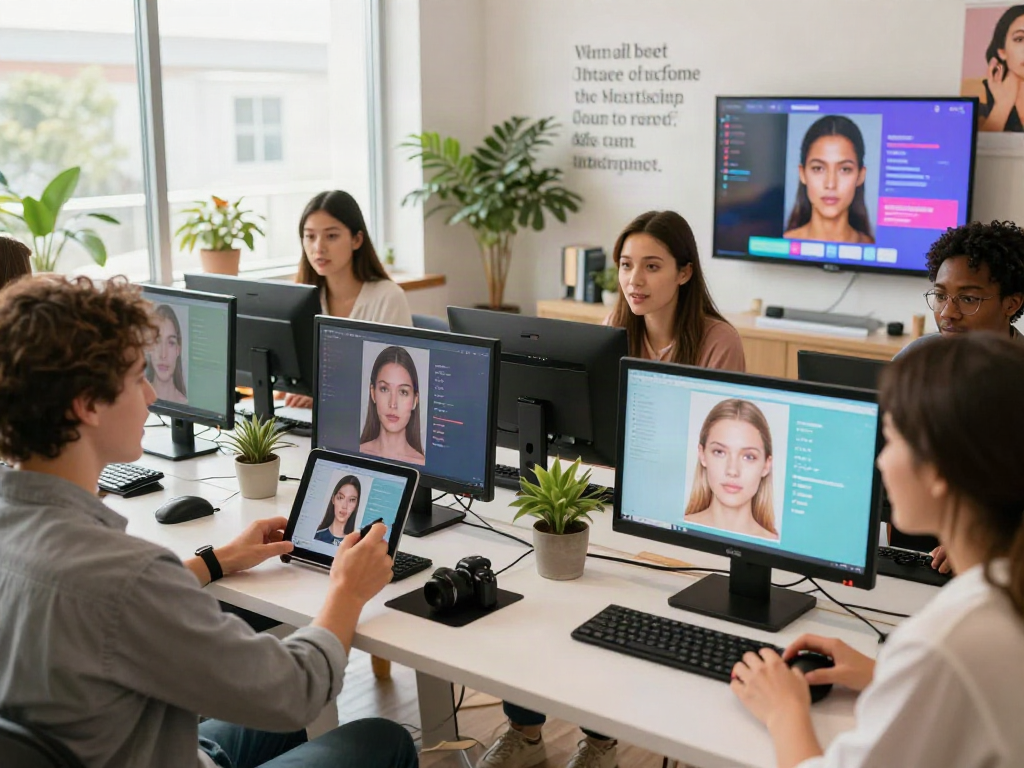
AI age estimation tools utilize convolutional neural networks (CNNs) to process and interpret facial images. These networks can learn from a wide variety of data inputs, allowing them to refine their predictions over time. When a user uploads a photo, the AI analyzes key indicators such as:
- Skin Quality: The smoothness or roughness of the skin can indicate age.
- Wrinkles and Fine Lines: The presence of lines and wrinkles around the eyes and mouth are telltale signs of aging.
- Facial Contours: Changes in facial structure, such as sagging skin or loss of volume, contribute to perceived age.
- Coloration: Age can influence skin tone and pigmentation, which are assessed by the AI.
Through this analysis, AI can provide an age estimate that reflects societal perceptions of aging rather than biological age alone.
Common Misconceptions About AI Age Prediction
Despite the growing use of age estimation technologies, several misconceptions persist. Many users believe that the estimates provided by AI are definitive; however, they are often more subjective than objective. Others might assume that these technologies are entirely accurate, overlooking factors like individual differences in aging and environmental influences that can affect appearance. It’s essential for users to understand that these tools provide an estimate rather than a precise measurement.
How Old Do I Look? The User Experience
The user experience is critical in determining the effectiveness and appeal of age estimation apps. As more people seek to explore how their facial features correlate with age, understanding how to navigate these apps can enhance their experience.
Steps to Use Age Estimation Apps Effectively
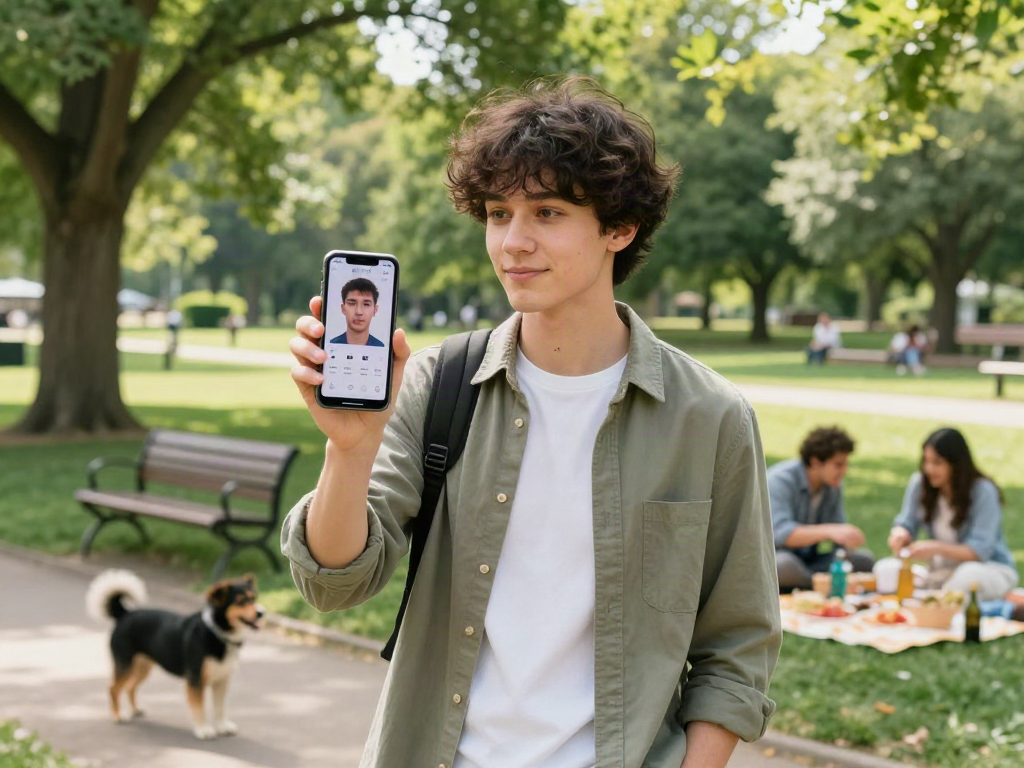
Using age estimation apps can be straightforward if users follow these steps:
- Select the Right App: Choose a reputable app known for its accuracy and user-friendly interface.
- Upload a Clear Photo: For the best results, use a high-quality image in good lighting.
- Follow Instructions: Each app may have specific guidelines for photo submission; ensure these are followed.
- Review the Results: Analyze the age estimation and consider its context—remember it is just an estimate.
Understanding the Results: What Do They Mean?
The results produced by age estimation applications can vary significantly. Users should interpret these results with a grain of salt, considering personal factors such as lifestyle, genetics, and even current mood when the photo was taken. Comparing results from different apps can provide a broader perspective and highlight discrepancies, which can be informative.
Privacy Considerations When Using Age Estimators
Privacy is a paramount concern for many users when engaging with AI technologies. When using age estimation apps, it's vital to review the privacy policies of each application. Look for apps that guarantee data protection and do not store personal images without consent. Users should also consider the implications of sharing their images online.
Comparative Analysis of Leading Age Estimation Apps
Top Features to Look for in Age Estimation Software
Not all age estimation apps are created equal. When choosing the right one, consider the following features:
- Accuracy: Look for apps with positive user reviews and scientifically-backed algorithms.
- User Experience: A straightforward interface can enhance usability.
- Additional Features: Some apps offer fun filters or visualizations of aging patterns which can enhance engagement.
- Privacy Controls: Ensure the app provides strong data security measures.
User Reviews and Feedback on Popular Tools
User feedback is invaluable when evaluating the effectiveness of age estimation tools. Many platforms provide options for users to share their experiences, which can reveal strengths and weaknesses of various applications. Users often discuss aspects such as accuracy, ease of use, and the app’s responsiveness to concerns about privacy and data management.
Case Studies: How Users Improve Their Experience
Real-world usage examples can illuminate how users maximize their interactions with age estimation apps. Some users report using these tools for self-assessment in skincare routines, while others incorporate them into social media trends, creating engaging content. Additionally, sharing findings with friends can foster a fun, communal experience.
Real-World Applications of Age Estimation Technology
How Businesses Use Age Estimation in Marketing
Age estimation technology is not strictly for individual curiosity; it also has powerful applications in marketing. Companies leverage these tools to tailor their advertisements to demographic segments, ensuring that their messaging resonates with the target audience. Understanding how a potential customer 'ages' visually can help brands refine their marketing strategies.
Innovative Uses in Health and Beauty Industries
In the health and beauty sectors, age estimation technology is used extensively to recommend products and treatments based on perceived age. Skincare brands, for instance, can use these insights to suggest products that address age-related concerns, enhancing customer satisfaction and engagement.
The Future of Age Estimation in Social Media
Social media platforms are increasingly adopting age estimation tools to enhance user engagement and content personalization. By incorporating these technologies, platforms can offer tailored experiences that cater to specific age groups, augmenting user satisfaction and loyalty.
Future Trends: The Evolution of Age Estimation Tools in 2026
Emerging Technologies to Watch
As technology continues to evolve, several trends are anticipated in the field of age estimation. Innovations in deep learning and neural networks will likely enhance the accuracy and reliability of age predictions. Additionally, the integration of augmented reality (AR) may offer more immersive user experiences, allowing users to visualize their aging process in real-time.
Predictions for User Engagement and Usage
User engagement with age estimation tools is expected to grow significantly in the coming years. As more advanced features are introduced, such as predictive modeling and personalized insights, users will likely become more invested in these applications. Companies may implement loyalty programs or gamification elements to further encourage usage.
How Age Estimation Will Shape Social Interactions
The social implications of age estimation technology are vast. As users share their age predictions, discussions about beauty standards and aging perceptions could evolve. This technology may foster new forms of dialogue around aging and self-image, potentially encouraging acceptance and awareness.
What are the benefits of using age estimation technology?
The benefits of age estimation technology are multifaceted. Users can gain insights into their perceived age, learn more about public perceptions of aging, and get feedback on their skincare or beauty routines. Additionally, brands can better tailor their products to meet consumer needs, enhancing overall satisfaction and loyalty.
How accurate are age prediction apps compared to traditional methods?
While age prediction apps provide quick estimates based on facial analysis, traditional methods typically involve expert assessments that may account for a broader set of variables, including health indicators and lifestyle. Thus, while AI tools are increasingly accurate, they primarily serve as estimators rather than definitive assessments.
Can age estimation technology change perceptions about aging?
As society increasingly adopts these technologies, there is potential for them to reshape perceptions around aging. If users regularly engage with their results and share them, it may lead to a broader acceptance of aging in various forms, encouraging a shift toward viewing aging as a natural process rather than a negative one.
What should users know to protect their privacy?
Users should prioritize their privacy when using age estimation technology. It is crucial to be aware of how personal data is managed, which includes reading privacy policies and ensuring that apps do not retain images without permission. Opting for apps that prioritize user confidentiality can help mitigate privacy risks.
How will age estimation tools evolve with AI advancements?
The future of age estimation tools will likely see significant advancements correlated with developments in AI and machine learning methods. Improved algorithms could enhance accuracy and allow for more complex analyses, ultimately leading to a richer user experience with personalized insights and recommendations.