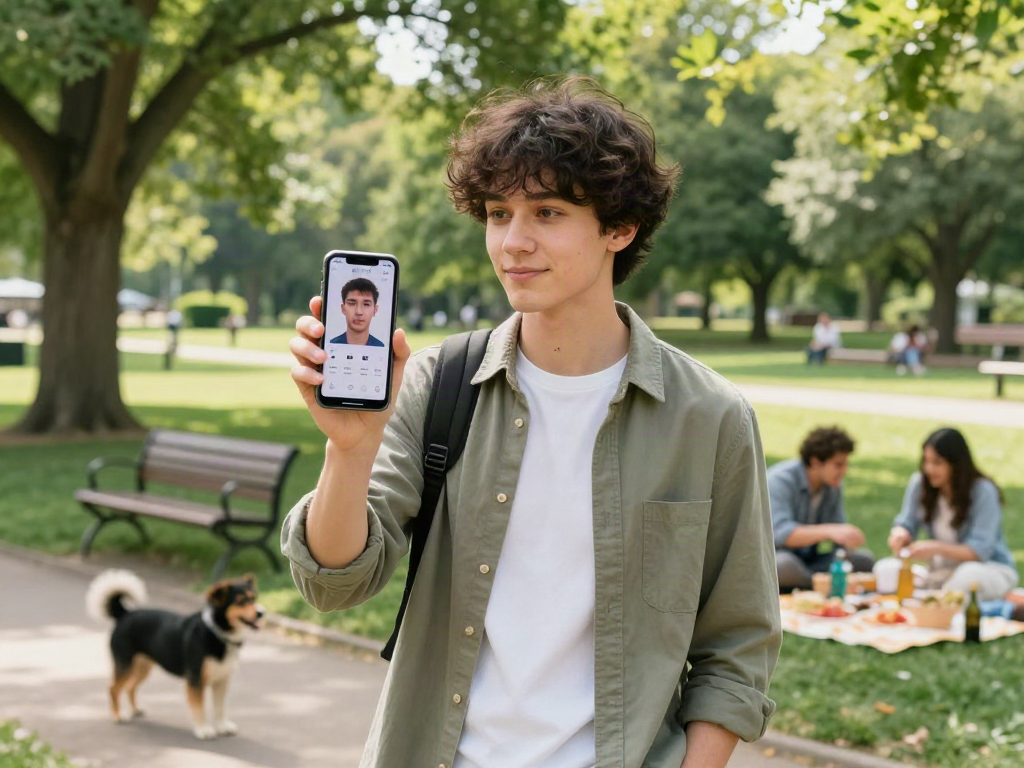
Understanding Attractiveness Tests
In a world where appearances often influence perceptions, testing your attractiveness can provide insights into societal standards of beauty. As technology advances, particularly in artificial intelligence (AI), the methods of examining what makes a person attractive are becoming increasingly sophisticated. By utilizing algorithms that assess various facial features, individuals can obtain a more scientific evaluation of their beauty. The rise of online tools allows anyone curious about their attractiveness to undergo a quick, yet revealing, assessment. For those interested in exploring this phenomenon, test attractiveness through AI-powered platforms that analyze facial symmetry, proportions, and more.
What Is an Attractiveness Test?
An attractiveness test is a systematic evaluation designed to measure the aesthetic appeal of a person's face, often using a numerical scale to represent beauty. These tests can be found in various formats, including online platforms that utilize AI technology. Typically, users are required to upload a photograph, after which the software analyzes the image based on standard beauty metrics. The results often yield a score that reflects perceived attractiveness, which can range from a simple 1-10 scale to more elaborate numerical systems.
Key Elements Analyzed in Tests
When assessing attractiveness, several key elements are typically analyzed, including:
- Facial Symmetry: Symmetry is often linked to the perception of beauty. Faces that are more symmetrical are generally rated as more attractive.
- Golden Ratio: This mathematical ratio is considered aesthetically pleasing and is frequently used in art and architecture. Many attractiveness tests evaluate facial features against this ratio.
- Skin Quality: Clear and smooth skin is also often a component of attractiveness, as it can signify health and youth.
- Facial Structure: The overall shape of the face, including the jawline and cheekbones, plays a significant role in attractiveness ratings.
Different Methods of Testing Attractiveness
Attractiveness tests vary widely in methodology. Some utilize advanced AI algorithms that analyze features in great detail, while others may rely on user ratings, where individuals rate each other's attractiveness. Common approaches include:
- AI-Powered Analysis: These tests use machine learning models trained on vast datasets of faces to predict attractiveness based on established beauty standards.
- User-Generated Feedback: Some platforms allow users to rate photos uploaded by others, which helps generate an attractiveness score based on community consensus.
- Comparative Tests: These involve comparing multiple images side by side to determine which is deemed more attractive by viewers.
The Science Behind Facial Attractiveness
Facial Symmetry and Perception
Research has consistently shown that facial symmetry is a crucial factor in how attractiveness is perceived. Symmetrical faces are often seen as more attractive across various cultures, possibly due to evolutionary factors where symmetry is associated with health and genetic fitness. Studies have demonstrated that even slight deviations from symmetry can lead to a significant drop in attractiveness ratings.
The Role of the Golden Ratio
The Golden Ratio, approximately 1.618, has been used throughout history to determine beauty. In the context of facial features, this ratio can be seen in the proportions of the face, such as the distance between the eyes compared to the width of the face. Many AI tools for testing attractiveness incorporate this mathematical principle to give a more objective measure of beauty.
Cultural Influences on Attractiveness Standards
Attractiveness standards are not universal; they vary significantly across cultures. Factors such as ethnicity, societal norms, and trends play a crucial role in shaping what is considered attractive. For instance, while certain features may be prized in one culture, they might not hold the same value in another. Understanding these cultural nuances is essential when interpreting the results of attractiveness tests.
How to Conduct a Personal Attractiveness Test
Choosing the Right Tools and Software
To conduct a personal attractiveness test, selecting the right tools is essential. Numerous online platforms now offer AI-driven assessments. Look for tools that provide clear methodologies and transparency about how their ratings are calculated. It's also useful to compare results across different platforms to gain a holistic view of your attractiveness score.
Step-by-Step Process to Test Attractiveness
- Choose a Platform: Select an AI attractiveness testing site. Ensure it has positive reviews and clear data protection policies.
- Upload a Clear Photo: Use a high-quality image where your face is fully visible and well-lit to ensure accurate analysis.
- Receive Your Score: Analyze the results provided by the platform, focusing on what aspects are highlighted.
- Compare Results: If you've used multiple resources, compare your scores to see if they align or vary greatly.
Analyzing and Interpreting Your Results
Once you receive your attractiveness score, it’s crucial to interpret the results thoughtfully. Understand that these scores are often influenced by algorithms that prioritize certain traits, which may not reflect personal or deeper qualities. Consider using the feedback to enhance your self-confidence rather than allow it to dictate your self-worth.
Common Misconceptions About Attractiveness Testing
Are Attractiveness Tests Accurate?
While attractiveness tests can provide insight, their accuracy is often debated. These tests rely on algorithms which, despite being sophisticated, can overlook subjective aspects of beauty. Personal preferences and cultural context play significant roles in attraction that cannot be quantified.
Debunking Myths About Beauty Standards
Many myths surround beauty standards, such as the idea that there is a one-size-fits-all definition of attractiveness. The truth is that beauty is multifaceted and highly individualistic. What one person finds beautiful, another may not. It's vital to approach attractiveness tests with an open mind and an understanding of these nuances.
Understanding the Limitations of AI Analysis
AI analysis has its limitations, primarily due to the biases inherent in the training datasets. These algorithms may favor certain beauty traits that align with predominant cultural standards, potentially skewing the results. Users must recognize that while such tools can offer evaluations, they should not be seen as definitive measures of worth or appeal.
The Future of Attractiveness Testing in 2026
Emerging Trends in AI and Beauty Technology
As we move into 2026, the landscape of beauty technology continues to evolve. Advances in AI are leading to more nuanced evaluations that factor in diverse beauty standards and personal preferences. Emerging tech is likely to incorporate not just facial features but also personality traits, lifestyle factors, and cultural influences for a more comprehensive assessment of attractiveness.
Personalization and User Experience Innovations
The future of attractiveness testing will likely see a shift toward personalized experiences. Users may expect tools that provide tailored feedback and advice based on their unique beauty profiles. The integration of augmented reality (AR) could also allow users to visualize potential changes in appearance based on their results, enhancing the user experience.
Impact on Social Media and Self-Perception
As attractiveness tests gain popularity, their influence on social media and self-perception will become increasingly significant. Users might share their results more openly, shaping perceptions of beauty within their networks. It’s crucial to foster a positive outlook amid this trend, emphasizing that beauty is subjective and deeply personal.
How can I test my attractiveness?
Testing your attractiveness can be accomplished through various online platforms that leverage AI technology to analyze facial features. By simply uploading a photo and allowing the software to assess, you can gain insights into how your features align with conventional beauty standards.
Is 7 out of 10 considered attractive?
In general, a score of 7 out of 10 is often deemed attractive on most attractiveness scales. This score suggests that the individual possesses features that align well with popular beauty standards, but attractiveness is highly subjective.
Is there an accurate attractiveness test?
While many tests claim accuracy, it’s essential to approach them with a critical mindset. The accuracy of these tests can vary based on their algorithms and the datasets used for training. Therefore, results should be viewed as a reflection of trends rather than absolute truths.
Is a 6.5 out of 10 attractive?
A score of 6.5 out of 10 suggests above-average attractiveness. While individual preferences vary, many would view this rating favorably as it indicates that the person likely has appealing features.
What factors influence attractiveness ratings?
Attractiveness ratings can be influenced by numerous factors, including facial symmetry, the golden ratio, cultural background, and personal preferences. Additionally, societal trends can shift perceptions of beauty over time, reflecting changes in what is considered attractive.