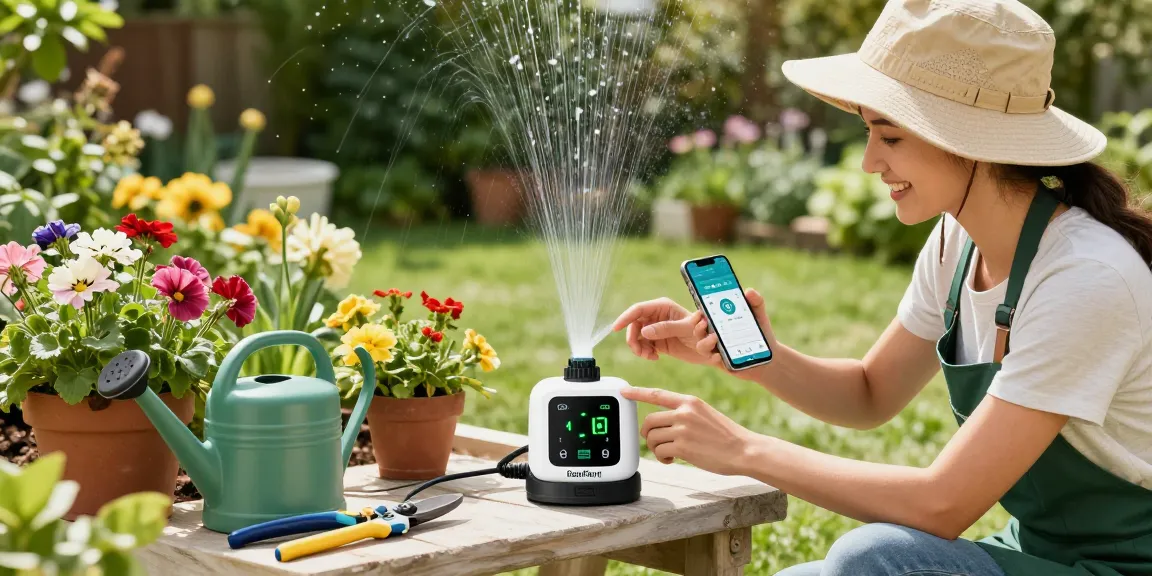
Understanding the RainPoint WiFi Water Timer
The rainpoint wifi water timer is a revolutionary tool designed for modern gardeners looking to optimize their watering schedules and conserve water. As urban and suburban gardening becomes increasingly popular, understanding how to integrate technology into traditional gardening practices is vital. This innovative solution not only simplifies the watering process but also provides valuable data for efficient water use.
What is the RainPoint WiFi Water Timer?
The RainPoint WiFi Water Timer is an advanced irrigation system that allows users to control their watering schedules through a mobile app. It connects to your home WiFi and can manage multiple zones, making it ideal for both small gardens and larger landscaping projects. It is designed to be user-friendly, providing gardeners with the ability to set, adjust, and monitor their watering systems from anywhere at any time.
Key Features and Benefits of the Timer
- Remote Control: Access your watering schedule via the app, allowing for adjustments on-the-go.
- Soil Sensor Integration: The timer syncs with soil moisture sensors to ensure your plants receive the right amount of water.
- Customizable Schedules: Set specific times and durations for watering, including frequency adjustments based on weather conditions.
- Water Usage Data: Keep track of how much water your garden is using and adjust accordingly to promote eco-friendly gardening.
- Compatibility: Works with various types of hoses and irrigation setups, enhancing versatility.
Choosing the Right Model for Your Needs
RainPoint offers multiple models tailored to different gardening needs. If you have a small indoor garden, a simpler option may suffice, whereas larger properties would benefit from models that offer multiple zones and advanced features. Understanding your gardening requirements is crucial in selecting the most effective timer for your setup.
Setting Up Your RainPoint WiFi Water Timer
Step-by-Step Installation Process
Installing your RainPoint WiFi Water Timer is a straightforward process that can usually be completed in just a few minutes. Here’s how you can set it up:
- Unbox your RainPoint timer and review the included materials for guidance.
- Connect the timer to your outdoor faucet or irrigation system using the provided fittings.
- Ensure all connections are secure to prevent leaks.
- Power on the timer and follow the quick start guide to initiate installation.
Connecting to WiFi and the Mobile App
Once installed, download the RainPoint app from your device’s app store and create an account. The app will guide you through connecting the timer to your home WiFi network. Ensure you are within range of your WiFi signal to facilitate a smooth connection.
Initial Configurations for Optimal Use
The initial setup is crucial for optimal performance. Input your garden layout and plant types into the app, allowing the system to recommend watering schedules based on your vegetation’s specific hydration needs. Additionally, calibrating your soil sensors will provide accurate moisture readings, ensuring your plants are neither over nor under-watered.
Efficient Watering Strategies with RainPoint
Customizing Watering Schedules
With the RainPoint timer’s capabilities, customizing your watering schedules becomes intuitive. You can easily set different schedules for various zones depending on the types of plants and their water needs. For example, newly planted trees might need more frequent watering compared to established shrubs.
Utilizing Soil Sensors for Improved Accuracy
Soil sensors are an integral part of the RainPoint system, providing real-time moisture readings. By employing these sensors, gardeners can avoid the common pitfalls of over-watering or under-watering. This technology not only conserves water but also promotes healthier plant growth.
Strategies for Water Conservation
Effective water usage is key in today’s environmentally conscious gardening. Here are some strategies to maximize water efficiency with your RainPoint system:
- Schedule Watering During Cooler Hours: Watering early in the morning or late in the evening reduces evaporation rates.
- Group Plants with Similar Needs: Grouping plants that require similar watering helps streamline care and efficiency.
- Use Rain Forecasting: The RainPoint system can adjust your schedule based on upcoming rain forecasts, preventing unnecessary water use.
- Monitor and Adjust: Regularly check the moisture levels reported by the sensors and adjust schedules as needed.
Common Issues and Troubleshooting
Addressing WiFi Connectivity Problems
Sometimes, connectivity issues can arise. Ensure your timer is within range of your router and that there are no physical barriers obstructing the signal. If problems persist, resetting the timer and reconfiguring the WiFi connection may resolve the issue.
Resolving Watering Schedule Conflicts
Conflicts in watering schedules can occur if multiple timers are set to operate simultaneously. Review your app settings to ensure no overlapping schedules are established. Adjust the timing and durations to ensure optimal coverage without conflicts.
Understanding Sensor Readings and Adjustments
Interpreting sensor readings is essential for effective watering. If your sensor indicates the soil is too dry, analyze your current schedule and consider extending watering durations or frequencies. Conversely, if the soil is too wet, you may need to decrease watering time or adjust the sensor settings to prevent overwatering.
Future Trends in Smart Gardening Technology
Emerging Innovations for 2026 and Beyond
As the gardening industry evolves, so do the technologies that support it. Future innovations may include enhanced AI for predictive watering, integration with weather forecasting systems, and more advanced sensors that account for not just moisture but also soil conditions and plant health.
Sustainability Practices in Smart Irrigation
With an increasing focus on sustainability, the demand for smart irrigation systems like the RainPoint WiFi Water Timer will only grow. These technologies can help mitigate water concerns and promote eco-friendly gardening practices, ensuring a greener future for our gardens and landscapes.
Expert Insights on Future Gardening Technologies
Experts predict that the future will see even more integration between gardening technologies and smart home systems. Innovations such as automated nutrient delivery systems and app-based gardening guides could revolutionize how we grow and maintain our gardens.