Understanding Brain Tumors
Brain tumors can be a daunting diagnosis, but understanding the intricacies of brain tumor surgery—known as beyin tümörü ameliyatı—can provide comfort and clarity. With advancements in medical science, surgical techniques for treating both benign and malignant brain tumors have evolved significantly. This article aims to demystify the different aspects of brain tumor surgery, from types of tumors to recovery processes, offering valuable insights to patients and their families alike.
What is a Brain Tumor?
A brain tumor is classified as an abnormal growth of cells in the brain. These tumors can be primary, originating from the brain tissue itself, or secondary, resulting from cancer spreading from other parts of the body. Early detection plays a crucial role in the prognosis of brain tumors, making awareness of the signs and symptoms critical for timely medical intervention.
Types of Brain Tumors: Meningiomas and Gliomas
Two of the most common types of brain tumors are meningiomas and gliomas. Meningiomas arise from the meninges, the protective layers surrounding the brain, and are typically benign. In contrast, gliomas originate from glial cells, which support and protect neurons, and can range from benign to highly malignant forms such as glioblastoma multiforme (GBM). Understanding these distinctions is essential for determining treatment plans and expected outcomes.
Symptoms and Early Detection
Symptoms of brain tumors can vary widely depending on their type and location. Common signs include headaches, seizures, vision or hearing problems, and changes in personality or cognitive functions. If any of these symptoms are observed, consulting a healthcare professional promptly can lead to early diagnosis and intervention, potentially improving treatment outcomes.
Preparing for Brain Tumor Surgery
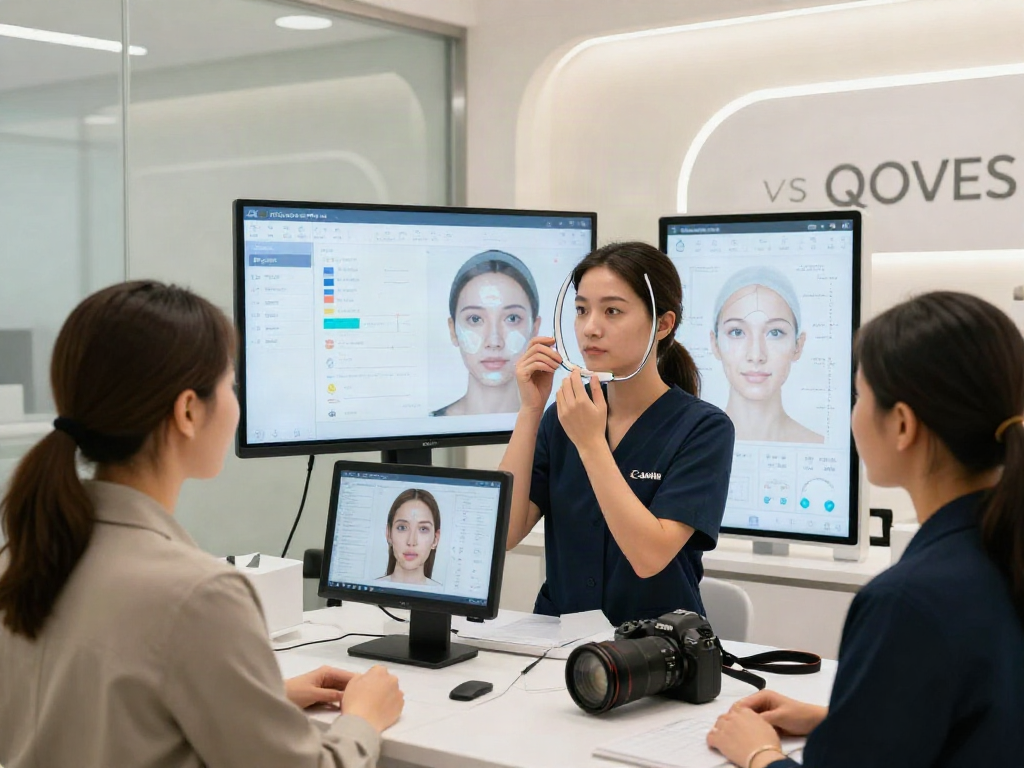
Preparation for brain tumor surgery involves a comprehensive assessment process. This includes not only obtaining a detailed medical history and performing a neurological examination but also utilizing imaging techniques like MRI and CT scans to evaluate the tumor's size and location. For more detailed information, the beyin tümörü ameliyatı page provides extensive insights into treatment options.
Initial Consultation and Diagnosis Process
The initial consultation with a neurosurgeon is critical for discussing symptoms and reviewing imaging results. During this visit, the surgeon will explain the diagnosis, potential treatment options, and what the patient can expect during the surgical process. It’s also important for patients to ask questions and express any concerns during this time.
Preoperative Assessments and Imaging Techniques
Preoperative assessments help ensure that patients are fit for surgery. This may involve blood tests, neurological exams, and further imaging studies. Advanced imaging techniques, such as functional MRI and diffusion tensor imaging, may help map critical brain functions before surgery, allowing surgeons to avoid damaging important areas during the operation.
Understanding Surgical Options and Strategies
There are various surgical strategies for brain tumors, depending on the tumor type and its location. Options may include traditional craniotomy, minimally invasive techniques, or even awake surgery, where the patient remains awake during the procedure to ensure that vital brain functions are preserved. Each method has its advantages and is selected based on the specific clinical scenario of the patient.
The Surgical Process Explained
Step-by-Step Breakdown of Beyin Tümörü Ameliyatı
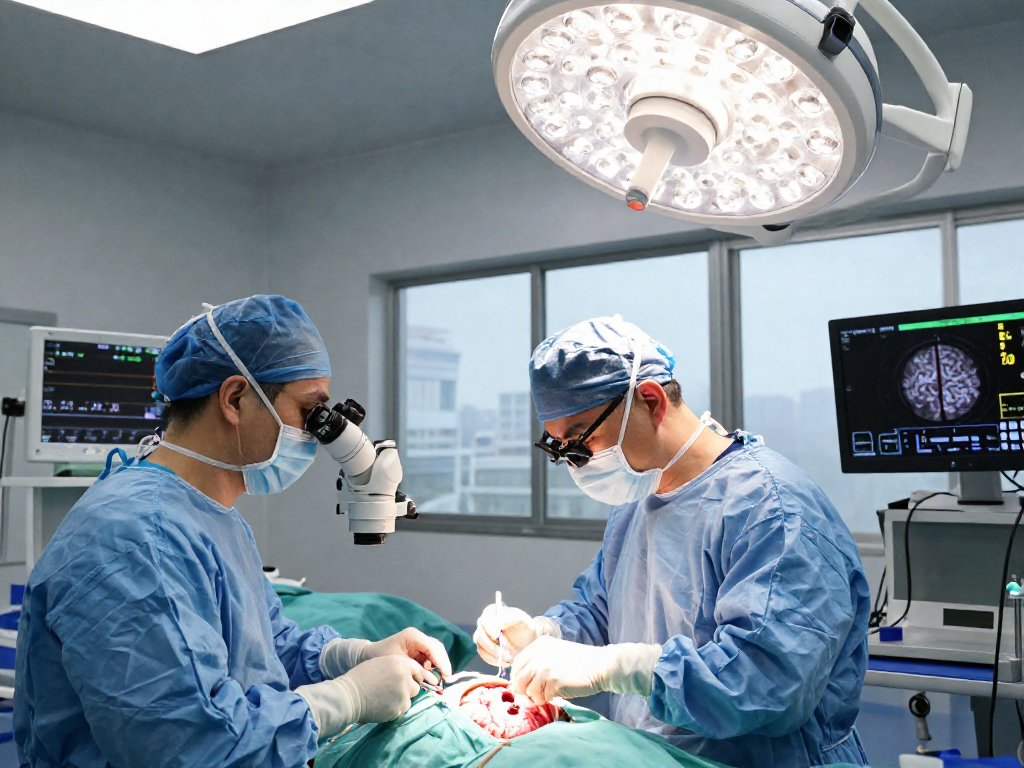
The surgical procedure for brain tumors typically begins with the administration of anesthesia. Once the patient is adequately asleep, the surgeon makes an incision in the scalp and removes a section of the skull to access the brain. The tumor is excised using advanced surgical tools, often with the assistance of various imaging technologies to guide the surgeon in real-time.
Use of Advanced Technologies in Surgery
Technological advancements have significantly improved the outcomes of brain tumor surgeries. Techniques such as intraoperative MRI and neuronavigation allow surgeons to visualize the brain in real-time, enhancing precision during tumor removal. These innovations reduce the risk of damage to surrounding healthy tissue and improve overall surgical success rates.
Pain Management and Anesthesia During Surgery
Pain management is an integral part of the surgical process. General anesthesia is used to ensure that the patient is completely unconscious and pain-free during the operation. Post-operative pain relief may involve a combination of medications to manage discomfort effectively after waking up from anesthesia.
Aftercare and Recovery
Post-operative care plays a crucial role in the recovery of brain tumor patients. After surgery, patients are typically monitored in a recovery room before being moved to a hospital room for further observation. Patients may experience various side effects and symptoms, which will be managed with appropriate medications and therapies.
Post-Operative Care for Brain Tumor Patients
After surgery, monitoring begins immediately to check for complications such as infection, bleeding, or neurological deficits. Patients will undergo regular assessments to evaluate their recovery progress and to initiate any necessary rehabilitation therapies.
Common Complications and How to Manage Them
Some common complications may include seizures, headaches, and swelling in the brain. These can often be managed through medications and therapeutic interventions. Patients should be informed of signs that require immediate medical attention, such as a sudden increase in headache intensity or neurological changes.
Rehabilitation and Long-term Follow-up
Rehabilitation following brain tumor surgery may involve various specialists, including physiotherapists, occupational therapists, and speech therapists. Long-term follow-up with a healthcare provider is essential to monitor for any recurrence of the tumor and to support the patient’s recovery journey.
Future Trends in Brain Tumor Surgery
Innovative Techniques Emerging in 2026
The field of neurosurgery is continuously evolving, with promising techniques on the horizon for 2026. Innovations such as robotic-assisted surgery and enhanced imaging modalities are being explored to further improve outcomes and reduce recovery times for patients undergoing brain tumor surgeries.
The Role of Personalized Medicine in Treatment
Personalized medicine is becoming increasingly significant in treating brain tumors. By considering individual patient characteristics, such as tumor genetics and patient health profiles, tailored treatment options can be developed to optimize therapeutic efficacy and minimize side effects.
Research Advances and Clinical Trials
Ongoing research and clinical trials are vital in advancing treatment strategies for brain tumors. Trials focusing on novel drug therapies, immunotherapy, and combination treatments are of great interest, demonstrating potential for improved patient outcomes and survival rates.
What are the Risks of Brain Tumor Surgery?
As with any surgical procedure, brain tumor surgery carries certain risks, including infection, bleeding, and neurological damage. Understanding these risks helps patients make informed decisions about their treatment options, always in consultation with their healthcare providers.
How Long does Recovery from Beyin Tümörü Ameliyatı Take?
Recovery times can vary widely among patients, depending on individual health factors and the complexity of the surgery. While some patients may return to normal activities within weeks, others may require months of rehabilitation and follow-up.
When Should You Seek a Second Opinion on Treatment?
Seeking a second opinion can be helpful, especially for complex cases or when considering aggressive treatments. Patients are encouraged to consult multiple specialists to ensure they are well-informed about their options and to confirm that the proposed treatment aligns with their values and preferences.
What New Technologies are Enhancing Surgical Outcomes?
Emerging technologies, such as AI-driven diagnostic tools and advanced imaging techniques, are improving surgical outcomes for brain tumors. For more information, beyin tümörü ameliyatı offers valuable insights. These innovations not only enhance the precision of surgeries but also facilitate better planning and personalized patient care in neurosurgery.